
The City of Broussard was recently featured in a Federal Emergency Management Agency (FEMA) bulletin in its Mitigation in Action section. Below is the text of the article.
Broussard, LA – An Example of Resilience in Action
Broussard is a city of fewer than 18,000 in Lafayette Parish, Louisiana, but they are building a resilient community. How? By actively engaging in flood mitigation.
What is flood mitigation? Flood mitigation is taking action to reduce or eliminate the long-term risk of flood through projects such as drainage maintenance.
Broussard had 125 structures damaged in the 2016 flood event in Louisiana, and to City Officials, this was unacceptable. “One house flooded is too many,” stated Ray Bourque, Mayor of Broussard.
The Mayor, Director of Public Works, Code Enforcement/Floodplain Administrator, and the City Engineer, formed a committee, including City Council members Ray Gary, David Bonin, and Angel Racca, and set themselves the task of finding a solution to the frequent flooding in Broussard. “We have a responsibility to keep our citizens safe from flooding,” stated Mayor Bourque, “and we are not going to accept the status quo. We are going to work with what we have to get the job done with deliberate and intentional planning.”
A simple solution? Clean the canals and drainage ditches, then keep them clear. The ditches are in front of most of homes while the canals are located around the city.
Louisiana is essentially flat, and in many areas beneath the water table which means that significant rain levels in short periods of time can cause the canals and drainage systems to swiftly reach capacity, and beyond. This leaves the excess water with nowhere to go...but into peoples' homes.
Knowing of no federal agency able to act swiftly enough with federal monies, this committee decided to be proactive and designed a long-term plan. They identified areas where drainage improvements could have the most impact, then prioritized the list, and are steadily working their way through the projects while maintaining the work they have already completed.
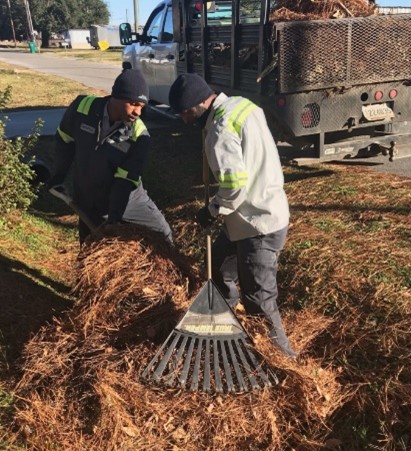
The committee created a list of areas in need of attention and then went to work. Crews began clearing the canals and ditches using herbicide to kill the plants and natural growth occurring in the canals, and then removed all the debris.
Once the initial task was completed, the goal was to keep the ditches and canals clean. To do that, the committee assembled two drainage crews, with a third to be added this year. These crews are dedicated to drainage maintenance and are out every day working on identified areas. Each crew consists of three people equipped with a dump truck, excavator, and trailer.
Identifying areas that need to be addressed, the committee depends on reports from the public to identify where should be done. They are also engaging with residents and continuing the conversation of prioritizing drainage maintenance, making them part of the solution.
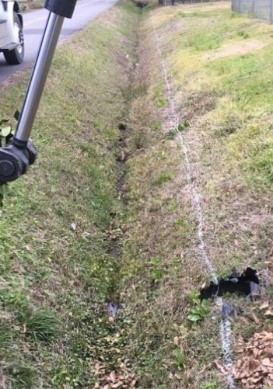 No project goes perfectly. Initially, Broussard Officials were met with resistance from homeowners who did not want their ditches dug out as it made it harder to mow. However, the homeowners began to realize the water was flowing away from their homes, they too recognized the importance of the committee’s work and embraced the plan and became partners. Local Homeowner Associations have also been supportive, allowing easements on properties to ensure water flows away from homes.
The public has gotten involved and been instrumental in reporting areas needing attention by either contacting the city directly or through social media. Broussard Proud, an initiative of Parish Proud, supports this effort by organizing clean-up days and beautifying their city.
The committee and crews kick into high gear before a predicted rain event, clearing and cleaning any obstructions from canals and ditches before the rain begins. “It’s easier to be proactive than to be reactive,” stated Mel Bertrand, Director of Public Works. Broussard uses their social media accounts to advise residents to tie down articles that may float away, such as patio furniture and garbage cans, to avoid these items becoming a hinderance to the natural flow of water.
After the rain passes “public works, police, fire, the members of this committee, and I are out on the streets making notes of where the water has gotten high or is standing to add to the list of future projects and to immediately clear obstructions to our drainage system,” said Mayor Bourque.
Since 2016, Broussard has spent $3.8 million on major drainage improvements, including three major projects: Cypress Bayou Lateral 2B, Cypress Bayou Lateral 4B, and Ridgeview Outfall. An example of a completed project is the $1.1 million spent on the Ridgeview Outfall: The drainage of the historic area of Broussard, which was hardest hit in 2016, is now protected.
In 2017, $350,000 was invested in equipment for an additional crew to steadily work their way through the city.
The result of their work was evident after Hurricanes Laura and Delta roared through the city; no homes were flooded in the city. Some roads were closed due to high water and are on the list to have the ditches, canals, and surrounding areas cleared.
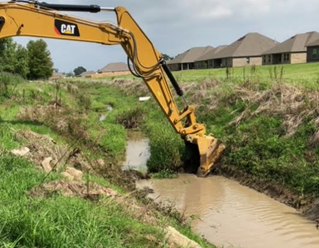 Cleaning the canals and ditches has made a significant difference in reducing the number of homes damaged due to flooding in Broussard.
Looking to the future, Broussard officials are currently in the process of engineering and acquiring easements on Coulee Fortune (canal) for a major maintenance project. “The goal is to always be working on a project and to have one in the planning stages,” said Mayor Bourque.
Additionally, the committee works with developers on new construction. They request that the builders do a backwater analysis, look at surface water measurements, and make efforts to keep silt out of the canals and ditches to prevent future flooding.
Broussard officials continue to expand their cleaning efforts and their partnerships. The impact of cleaning ditches and canals is far reaching. The City of Broussard partnered with Lafayette Parish, St. Martin Parish, and the Louisiana Department of Transportation and Development (LADOTD) on various projects all to the benefit of the residents of the city.
Choosing to be a resilient community is tough because it requires forward, proactive, and not always popular thinking. It requires money, passion for the projects, and sheer will to push projects through to the finish line.
The Broussard Committee and its leaders have what it takes to have a resilient community, and they embraced resiliency to protect their citizens. FEMA salutes the citizens of the City of Broussard and their proactive leaders.